
“A translator becomes someone else and takes on the voice of another.” — David Albahari
“In the sense in which Albahari defines the translator, it is easy to observe translation itself as a kind of theatrical activity. Perhaps that is why, being well acquainted with the stage, I have developed a strong affinity for this art form. As an actor, one is always experimenting with speech; searching for nuance, meaning, rhythm, color, and inflection.
It follows, then, naturally — though people in the theatre might overlook it — that translation precedes every theatre act not based on a piece by a domestic author, affirming its kinship with other crafts native to the stage. The best theatrical performances are, at their core, about play. And it is this same playful instinct that I have come to recognize in translation. Both are, in many ways, acts of wordplay.
Yet if one approaches translation with Albahari’s sense of responsibility — as an emissary serving not only the author but the work itself, which transcends any single individual — then wordplay becomes something greater. It becomes not only art, but a bridge between cultures, uniting space and time into moments where all may truly marvel and revel in revelation.” — Igor Vesović
Believing that our poetry is on par with the one written in the so-called “world languages”, and that it is not sufficiently accessible to potential readers from other cultures, we are starting a series of posts in which we will present Serbian poetry in English translations.
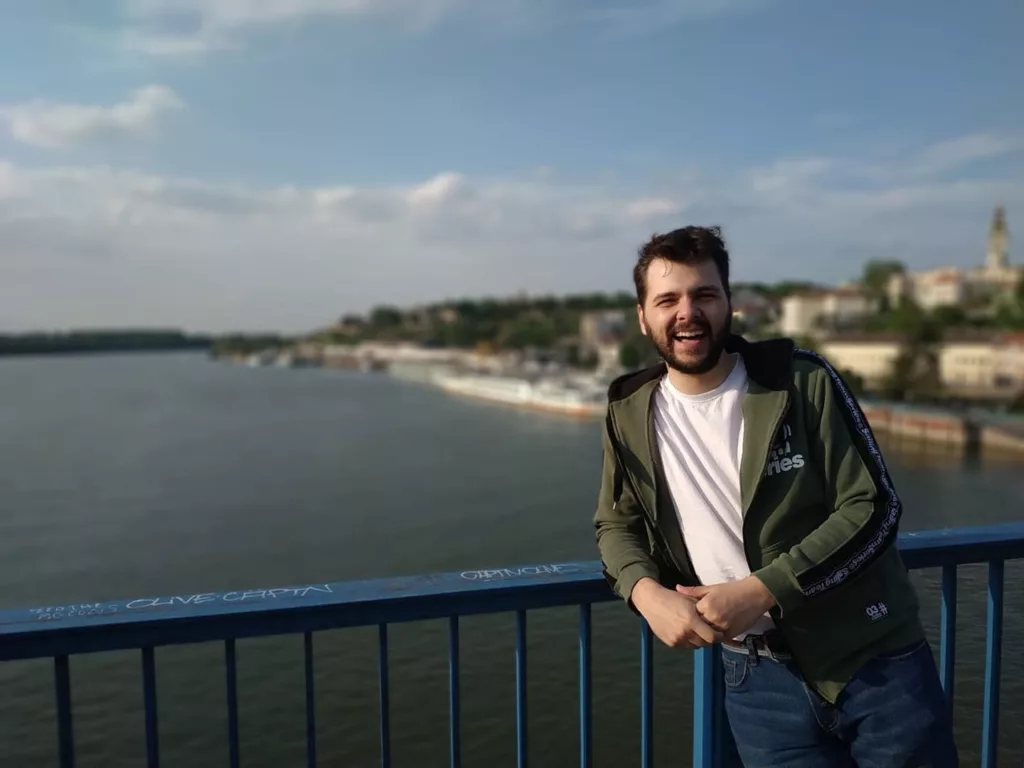
The translator of Serbian poems presented in this article is Igor Vesović.
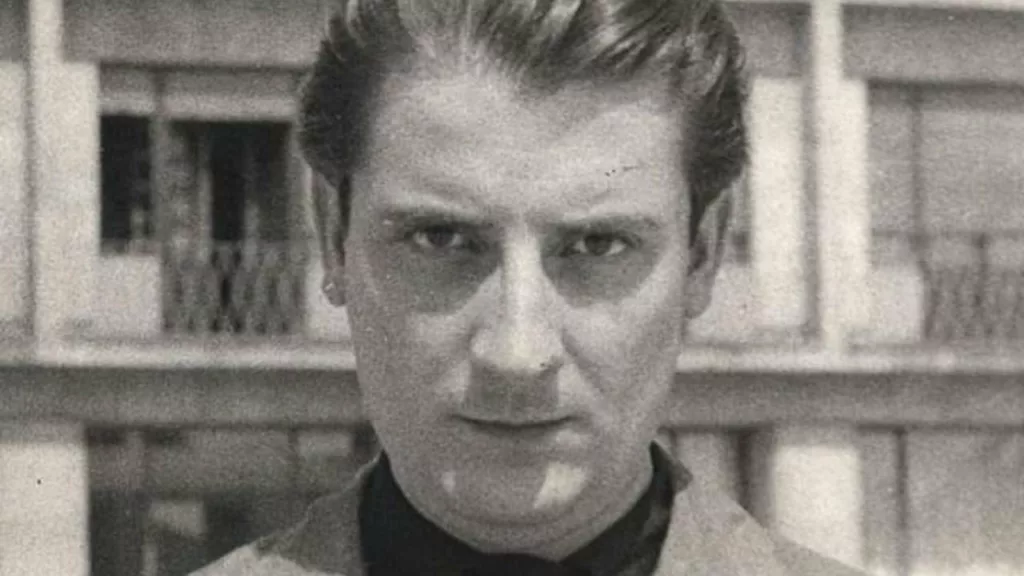
Branko Miljković
THE LAND’S DEFENSE
// We watched how they died, standing, those we loved. //
In heart, love stronger than death
In head, a thought larger than head
That, too, is the land’s defense
Frightening warriors lie beneath the land, soldiers of defense
A reserve of strength—ready—should the living falter
That, too, is the land’s defense
A great word—not from the heart, nor the head
But from the land—grows
like a plant or a flower; that, too, is the land’s defense
A harrowed seed conceives the flower
A day conceives the sun
That, too, is the land’s defense
So much land behind us
As much strength within
That, too, is the land’s defense
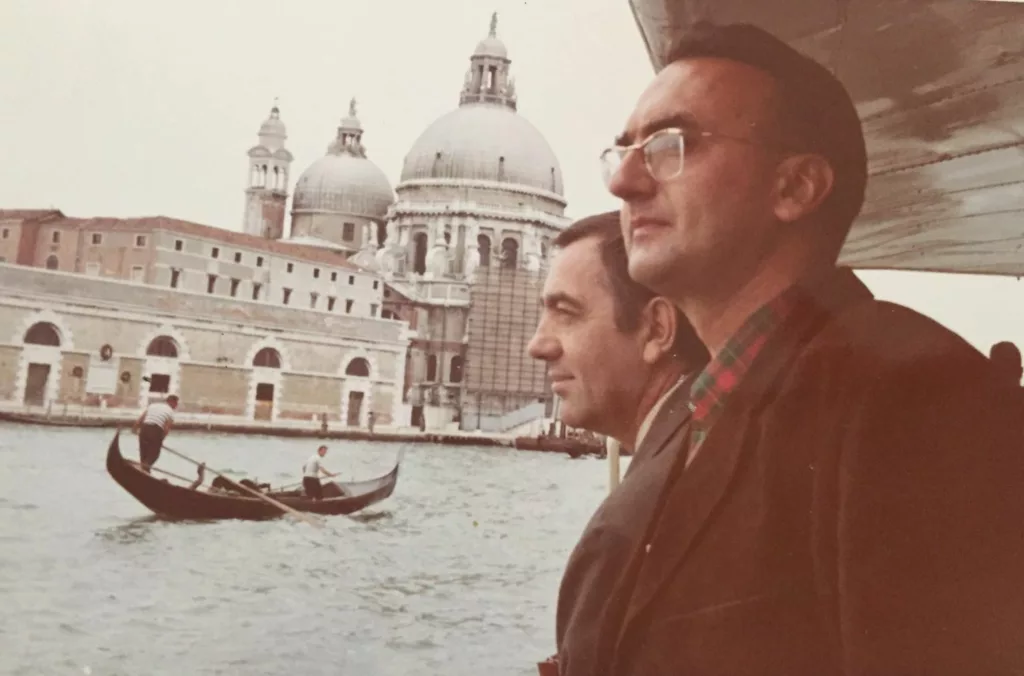
Miodrag Pavlović
A BOGUMIL’S SONG
They seek my head.
Anything head-alike
they throw on piles across meadows
and trample them by night with horses.
In earth they open shafts,
pulling out the silver ore
which a prophet’s head resembles,
so they hang it on oak branches.
Even when clouds bear a humanlike face
with grapnels they drag or with spears they poke.
They seek my head,
yet they never heard my words.
Like an adder with a venomless head
in ravines I lie,
powerless to shed my skin.
Oh drunken earls
who from your bulwarks prey on me,
think you really: my speech won’t
reach further than my blood pool?
Close are earth and I,
and she recalls more words than blood;
in her bosom I will tell, embraced by elderflowers,
everything I know of love.
Small is that sword of yours
for beheading the earth entire.
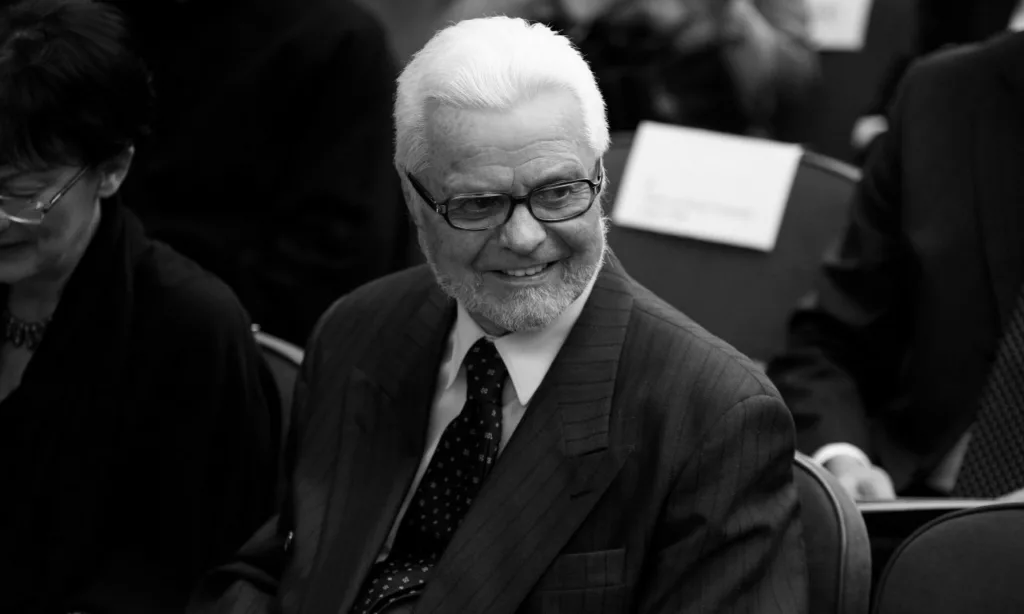
Ljubomir Simović
BALLAD OF THE STOJKOVIĆ
The beater batters, by God, with all his might he blasts,
our skin cracks, the flesh flies in crumbs;
battering an hour, two hours, three,
where does he get all that rage and rods?
He hits amply, hits from the bottom of the heart,
his face all crooked from the drive,
losing breath, he halts, overbreathing, beyond proceeding
he falls down dead tired,
– yet we alive.
They place us in line, tied up, against a wall,
they shoot at us – our skulls bursting,
bursting shin, underarm, bone,
the lead in our body weighing us down.
Nightfall came. The shooters fatigued.
They untie us, swearing, cursing our mother and our God.
From in front of the firing squad we return home
– like from a job,
and while in kitchen our dinner heats up,
the women patch the holes in our outfit.
After dinner I check the abode:
I patch up the roof, I bolster the fence,
I collect rainwater into vats and kegs.
Surely enough, it’s sleeping time. Before I nod off
I turn to my wife: They’ll hang me at five,
be sure to wake me up early.
Come morning – the gallows, brand new, firm,
the ropes strong, the executioner equipped,
– hand on heart, I can’t find a fault.
They hang us swiftly, skillfully, light,
we dangle, hanged, until nightfall,
dinner time, they take us down – alive.
Everyone beats us, swears, but fine.
Tomorrow dawn, they drag over branches and wood,
pile them up, make a stake, tie us naked to it,
they bring in the match, ignite,
and so it burns, burns weeklong,
the whole town gone grey from ash.
When it all burns down, we step out of the smoke,
the queen swoons, and the king,
rubbing his eyes, looks at us stumped:
– Damn, you’re still alive! Balderdash!
They drag us with horses by the tail, harness to the breaking wheel,
cutting our heads, arms, and legs – ghastly rather!
They hang us shot, they choke us slain,
we don’t know why, and does it matter?
The judges have already had enough!
They exchange shooters, discharge the soldiers,
executioners they hang – as if they’re to blame.
Then onto us again: now with a bludgeon, now with a cannon,
now hang, now slash, now slay –
– and we, the same.
Something isn’t right there, people whisper,
someone’s protecting the judges from sin!
Us, too, sometimes lie in bed in fear:
we’re not immortal, it won’t be long,
we, too, shall once meet our end,
we shan’t endure,
– and we will die
from laughing.
Igor Vesović is an engineer of organizational sciences and a dramatic artist. He has been engaged in translation since 2016, when, out of personal interest, he translated Desanka Maksimović’s poem “Strepnja” (“Anguish”) into English. Since then, he has been seeking new translation challenges, often translating aphorisms, quotations, sketches, and various non-literary texts, which he occasionally shares on social media. His work includes the translation of songs, poetry and plays between Serbian and English, with a special focus on preserving the meaning, style, and rhythm of the original. He is the author of the term “versodrama” and a practitioner of applied theatre, contemplating drama as a means of translation.
He has been using English in professional contexts for many years. He was born, lives, and works in Belgrade.